Popular articles
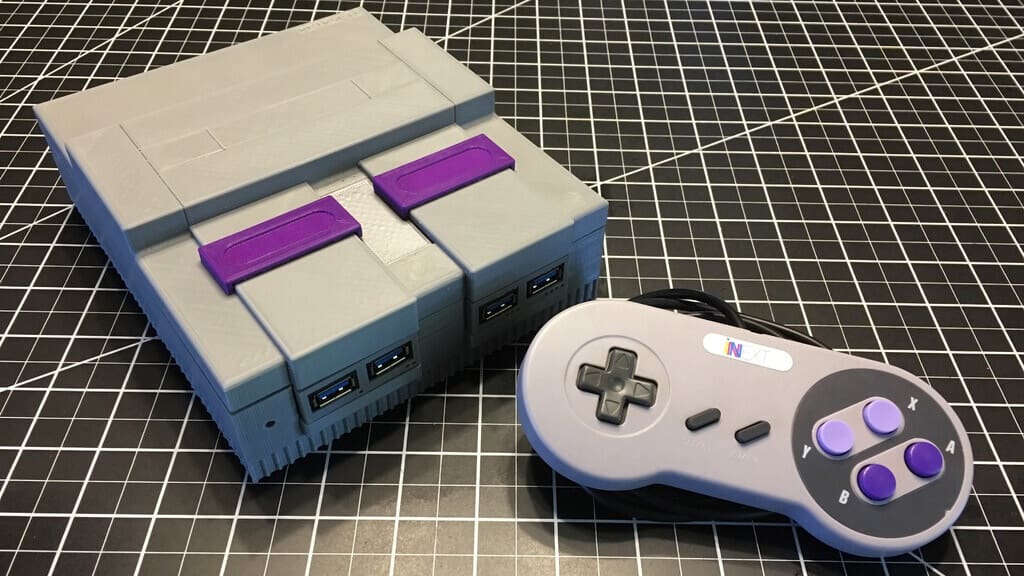
It‘s hard to get hold of the official SNES Classic Mini. So why not build a DIY Super Nintendo with a 3D printed Raspberry Pi SNES Case?
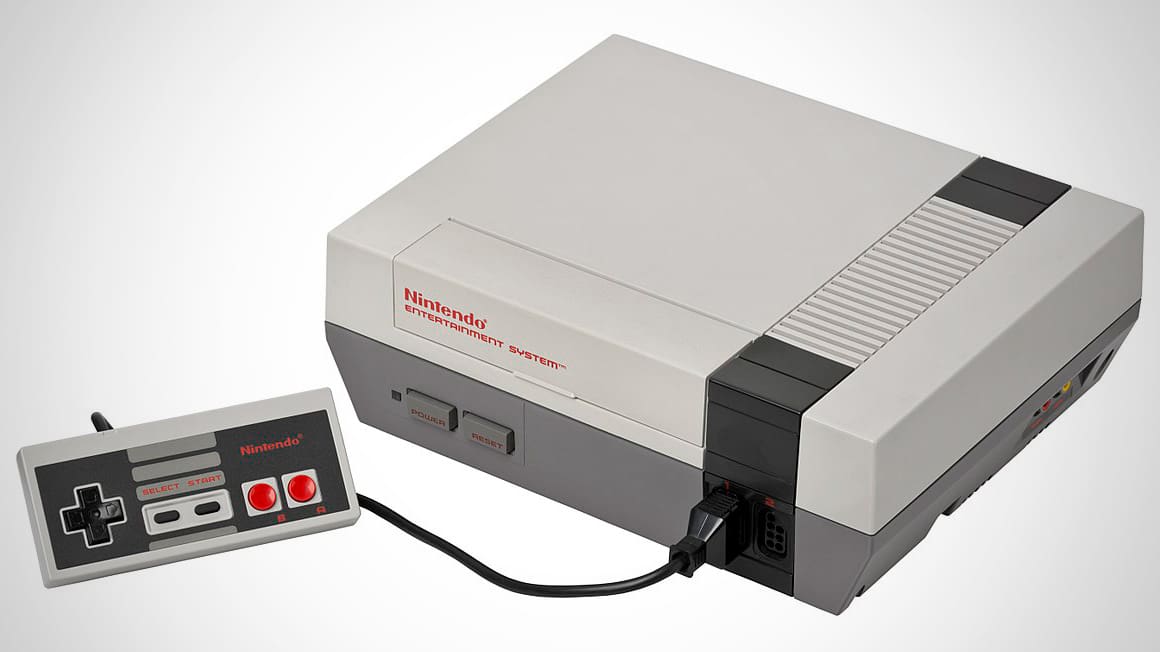
Nintendo’s NES has been discontinued. But you can build your own NES with a Raspberry Pi and a 3D printed Raspberry Pi NES case.
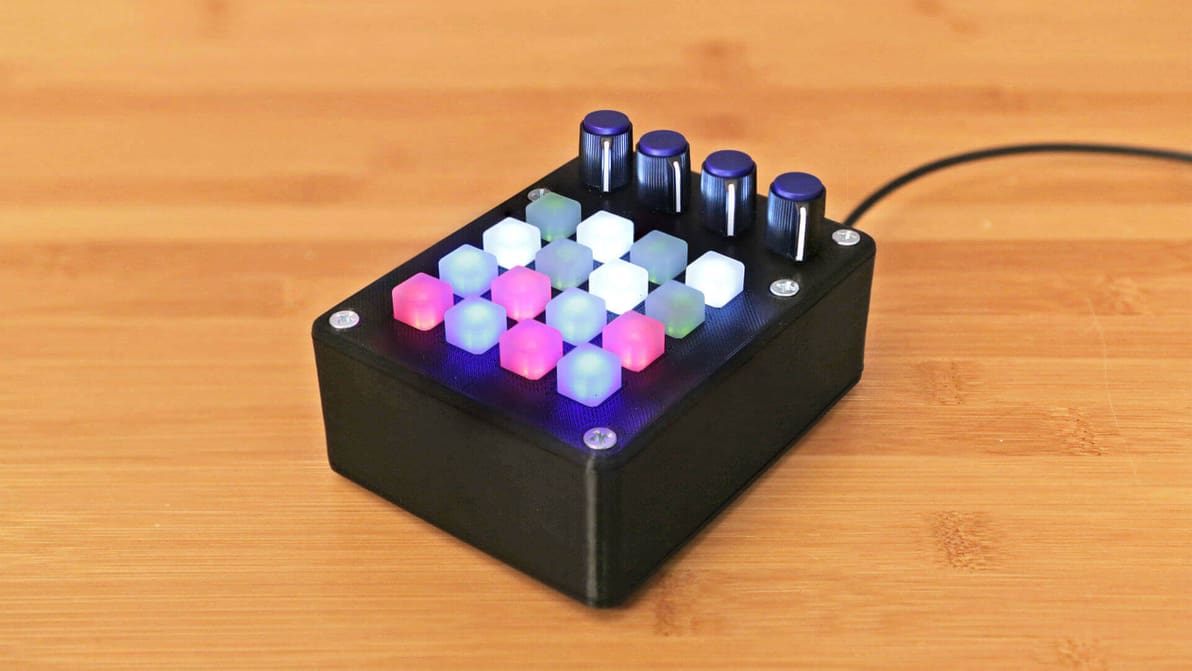
Playing instruments is fun, but building them yourself is even better. Why not DIY your own homemade instrument?
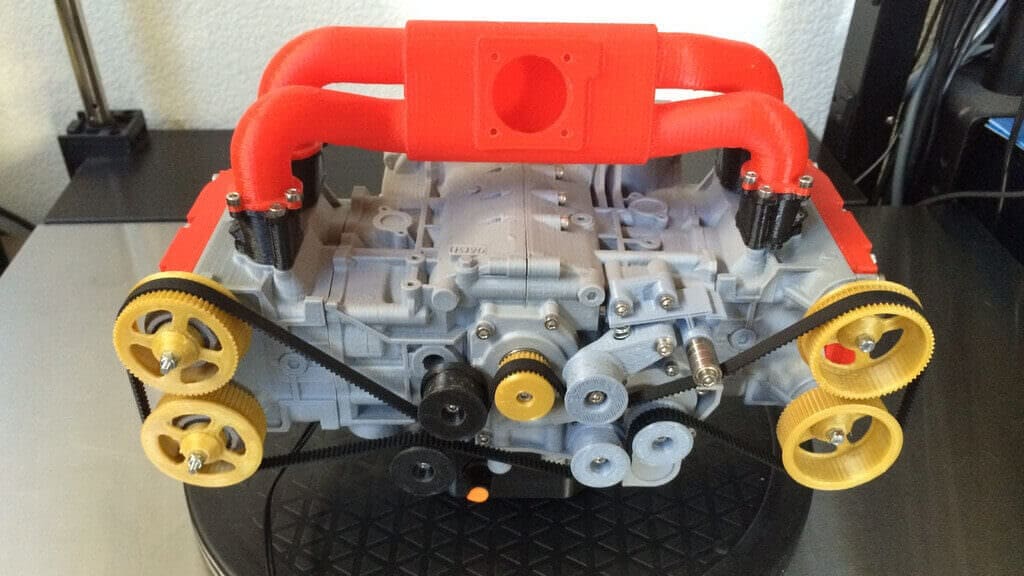
This is a 35% scale model of a Subaru engine, the EJ20 flat-four, which is not only 3D printable but also fully functional.

Minifig Battlefields are educating school children about the trenches of WWI, with intricately detailed dioramas built using 3D printing and LEGO bricks.
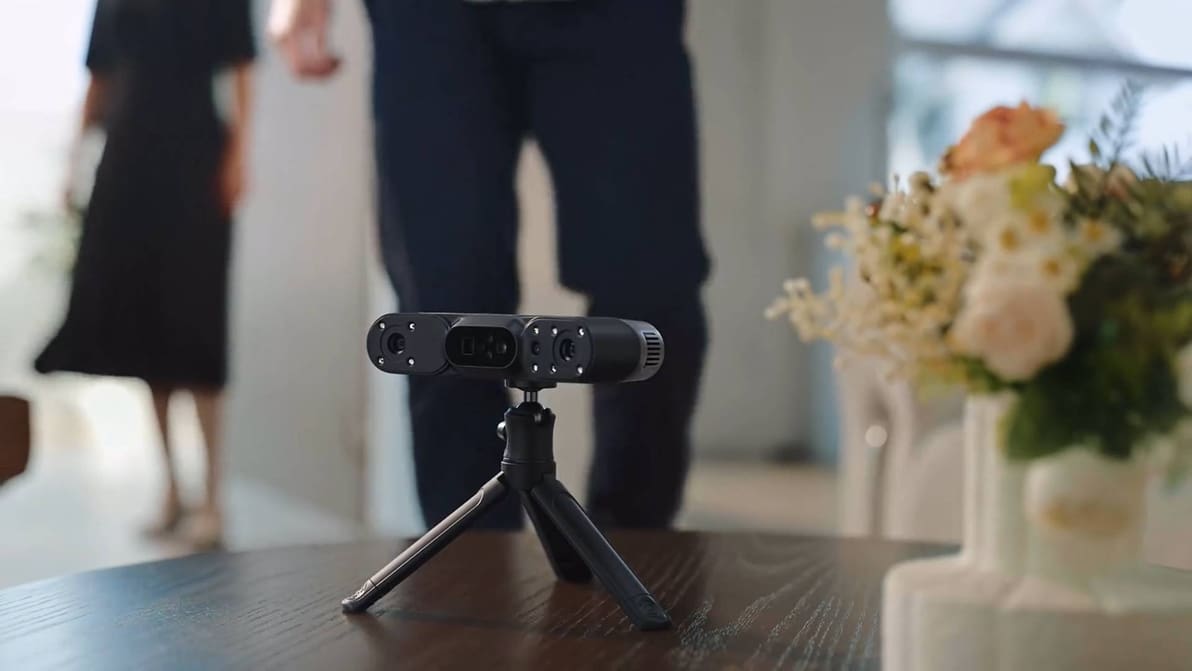
The company regularly launches via Kickstarter: that's typical. But the Pop 4 is a decidedly atypical budget 3D scanner, packing near-infrared, VCSEL, blue laser, plus 3D gaussian splat modes all in one.

Siraya Tech's one-part 3D print coating has started to roll out for a larger audience, landing in Europe, Japan, and coming soon to other regions too. The coating comes in two types for a clear or matte effect that's said to give "injection-mold" like finish to 3D printed parts.
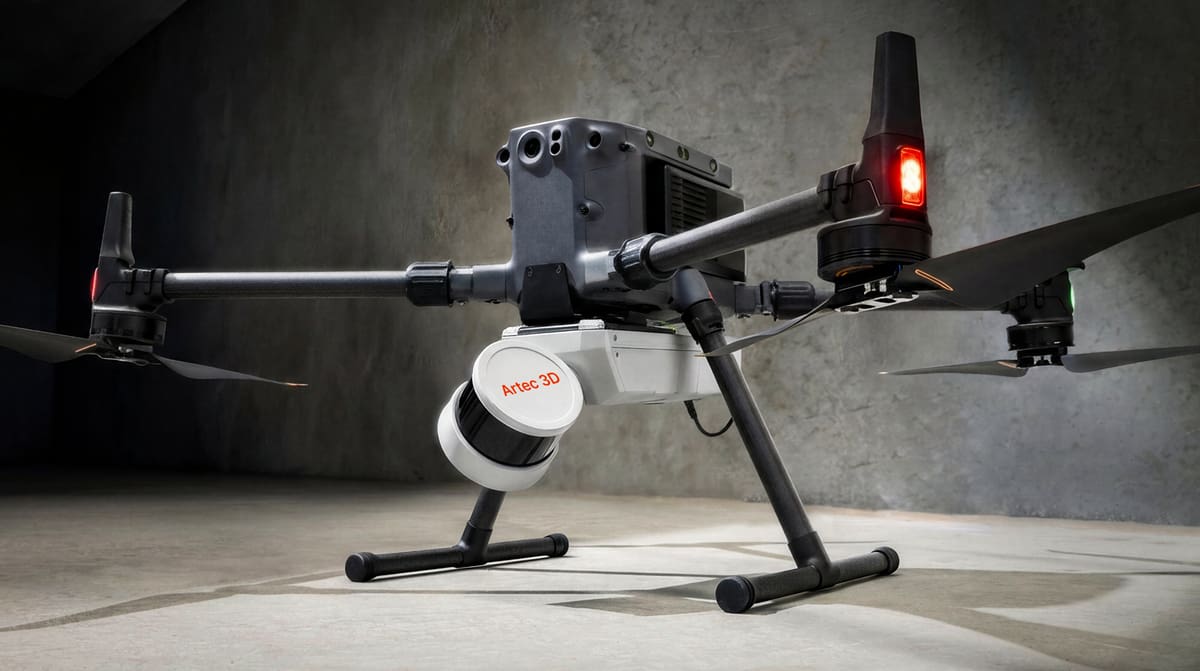
Forget stationary tripods and GPS limits: Artec 3D’s first SLAM-based mobile mapping system delivers rapid digital twins of almost any environment.
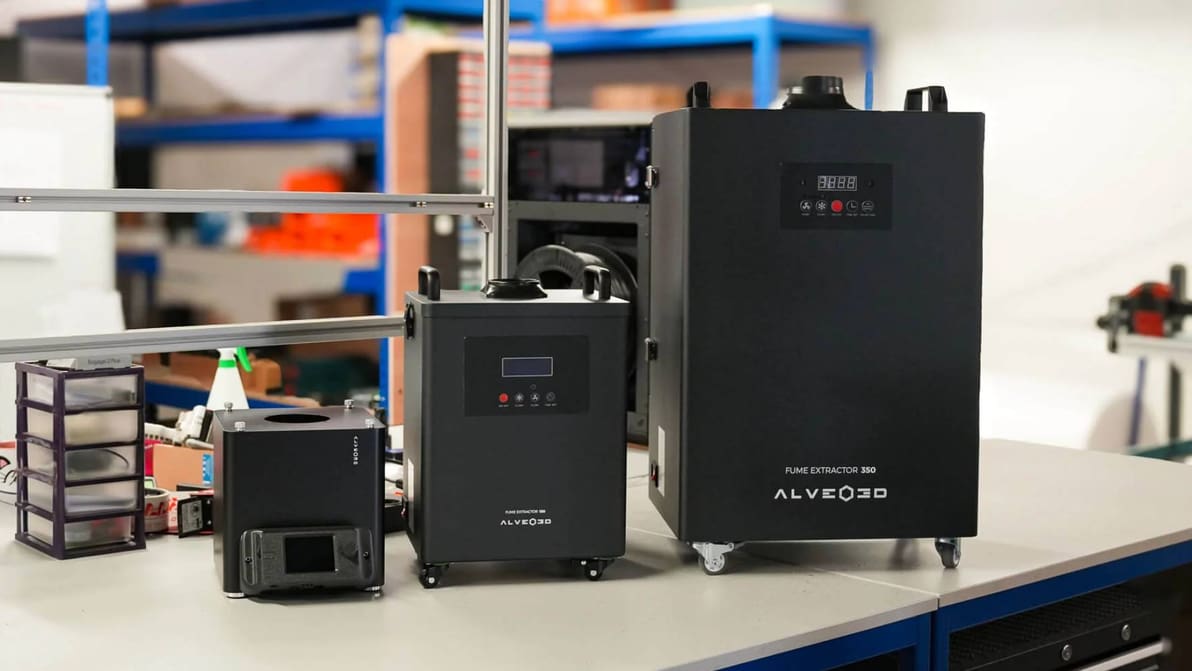
Alveo3D, the French 3D printing air filtration specialist, has released two new workshop-class fume extractors. FE150 and FE350 join the company's smaller, enclosure-specific solutions and mark an expansion into general purpose extraction suitable for heavier duty tasks and environments.
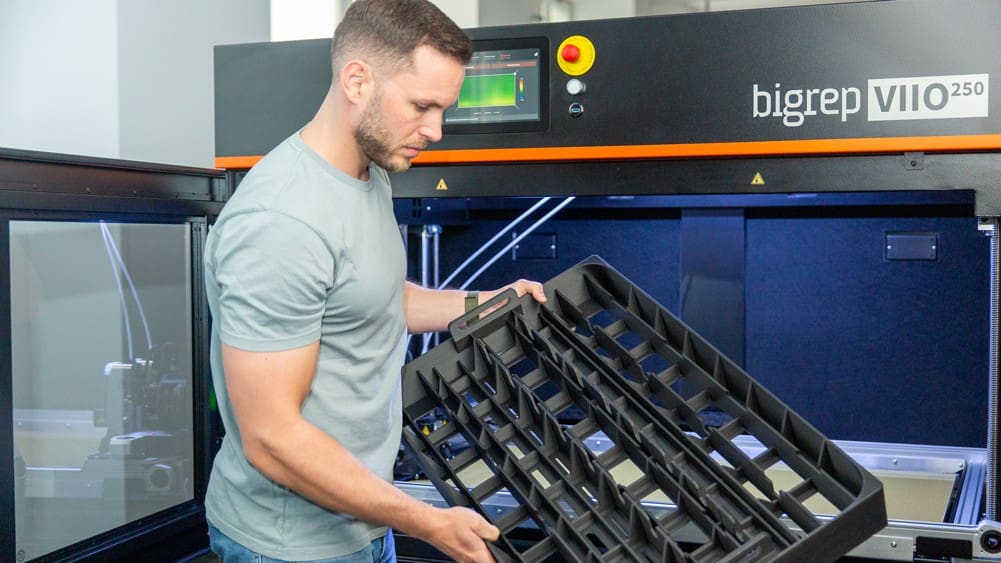
A larger 3D printer build volume means less compromise in a part’s design, functionality, and performance.
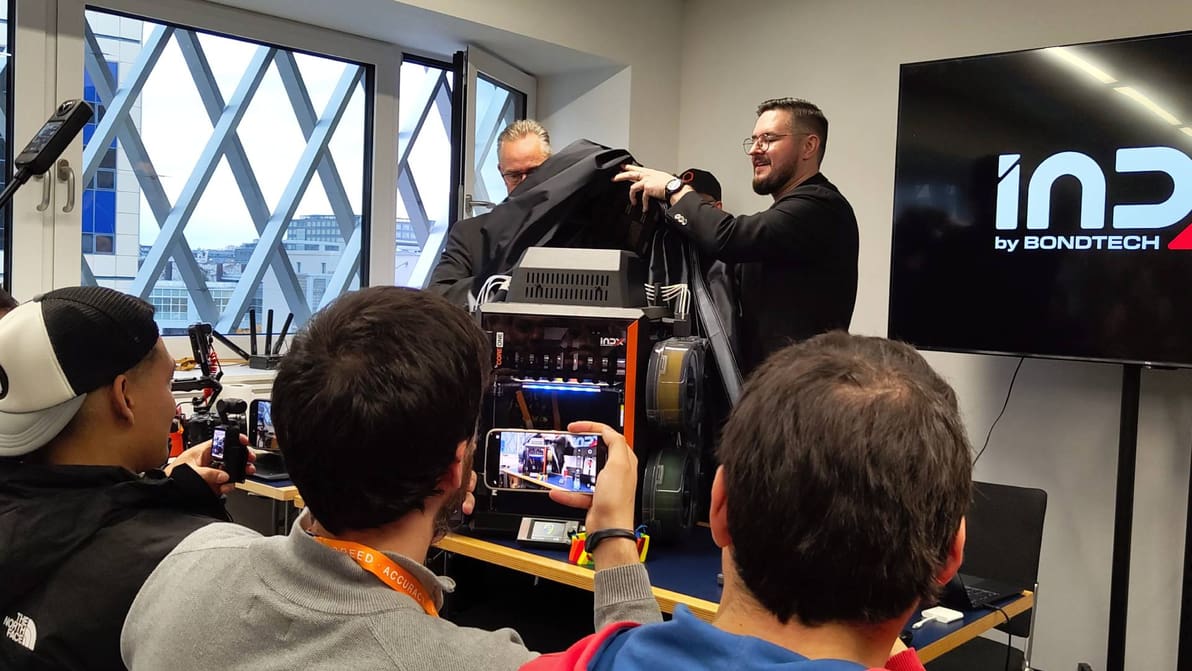
A drip feed of dev videos on Prusa's YouTube channel is starting to build hype for the INDX upgrade (for us at least) though we're still waiting for confirmation when this multi-material upgrade will become available.
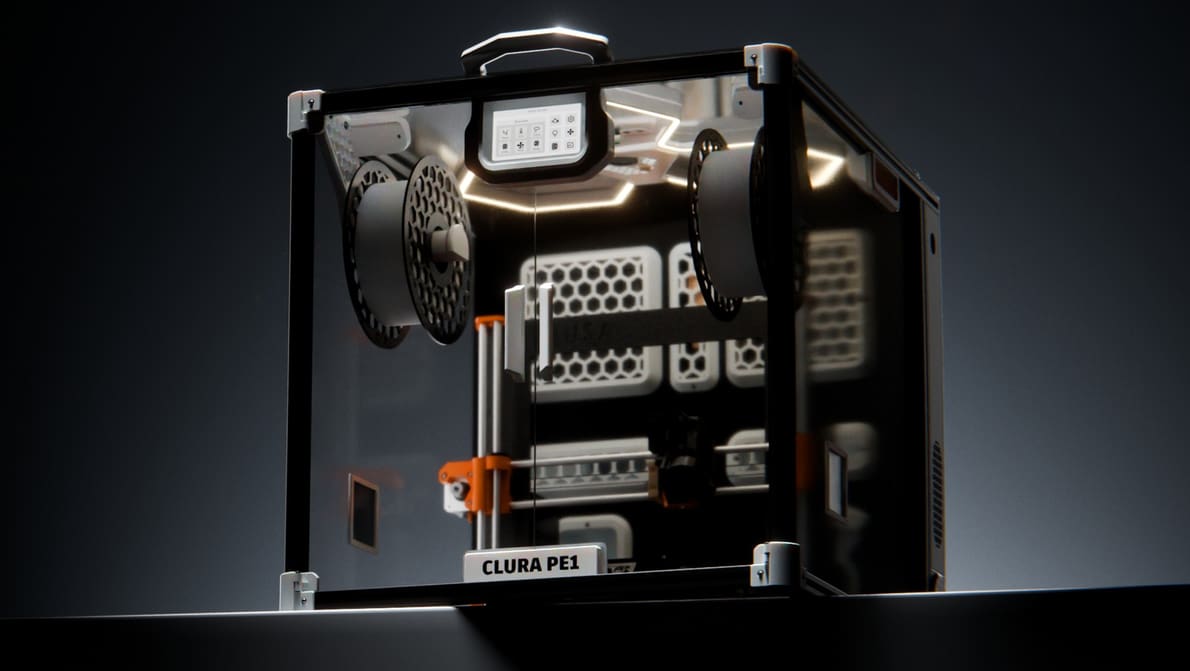
Clura is designed as a “smart 3D printer enclosure” that integrates environmental monitoring, air filtration, and safety systems in a single modular unit.
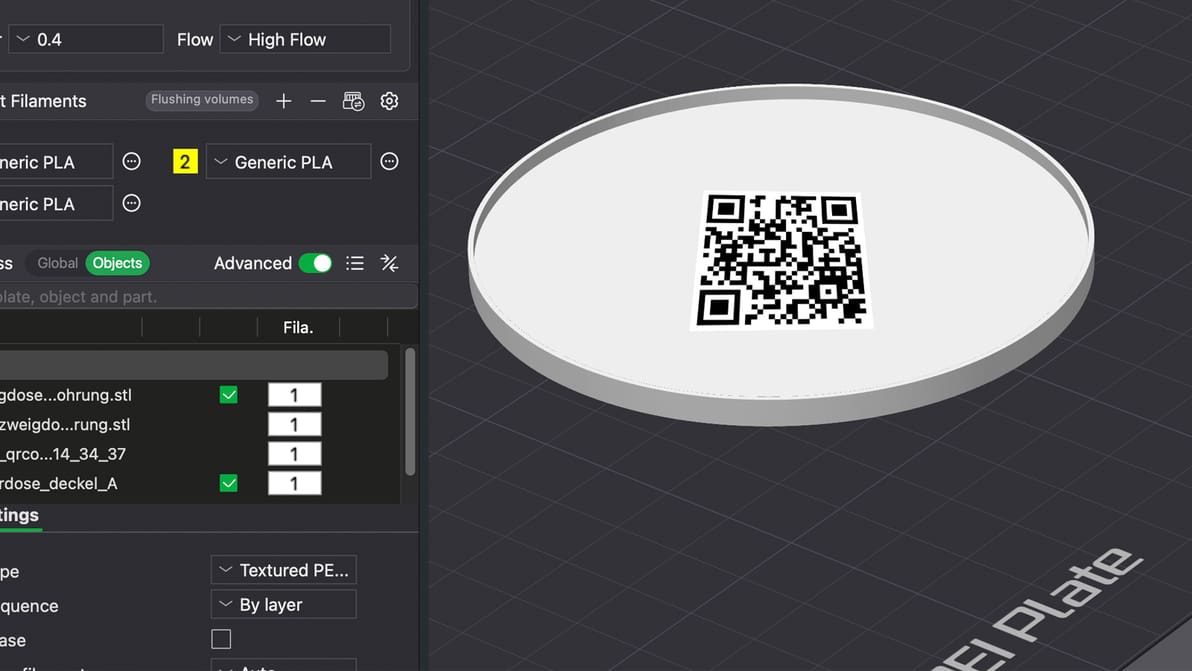
Bridge the gap between permanent hardware and evolving data by embedding "living" links that update in real-time without ever needing a reprint.
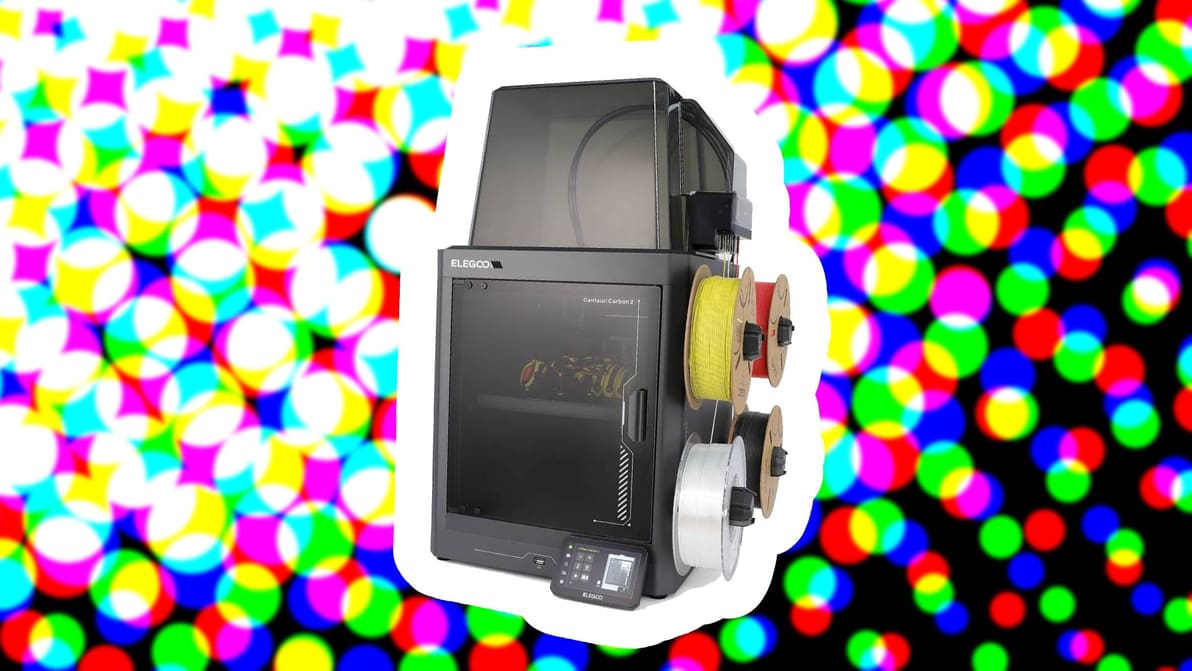
The printer follows in the original Centauri Carbon’s footsteps with a low price and high expectations, adding multicolor/multi-material capability and improvements to temperature management and out-of-the-box printing of "advanced" materials.
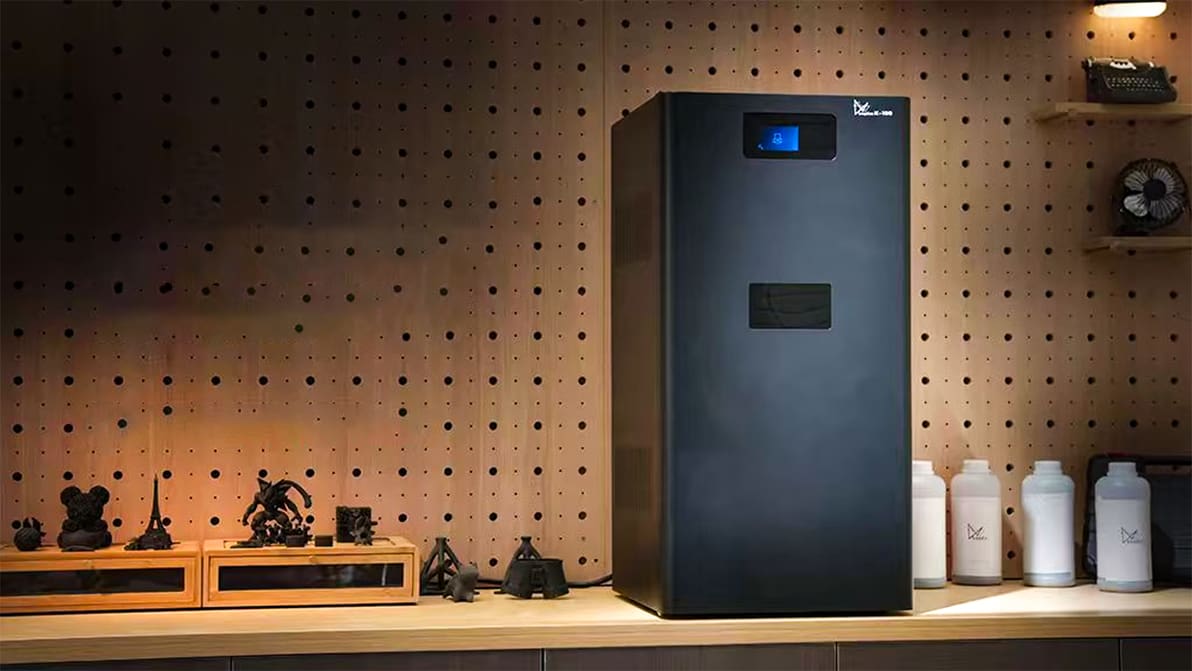
Built around a 5-watt laser engine, the Loopzizo K-100 enters a growing compact SLS market by prioritizing automation and open-source material compatibility.

Bambu Lab has rolled out Bambu Studio 2.3.0, an important update introducing support for the new P2S, full A1-series AMS compatibility, and a host of new improvements.
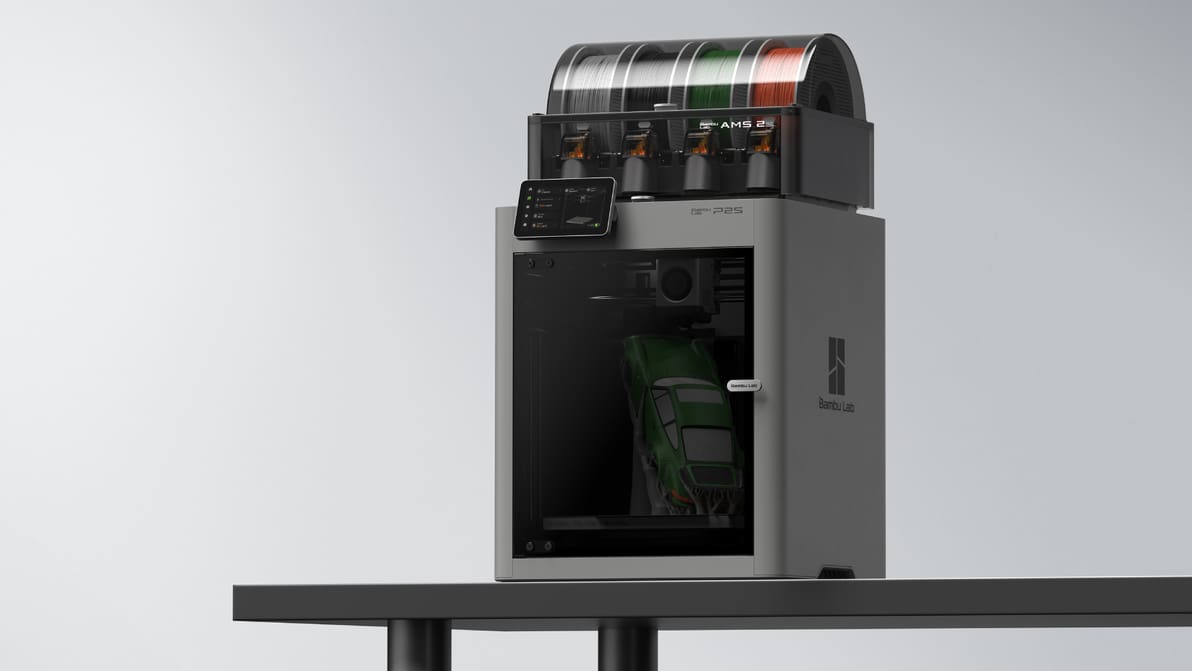
Following last week’s teaser, the full reveal of the Bambu Lab P2S is here. Much of it is familiar, and some of it is fresh.
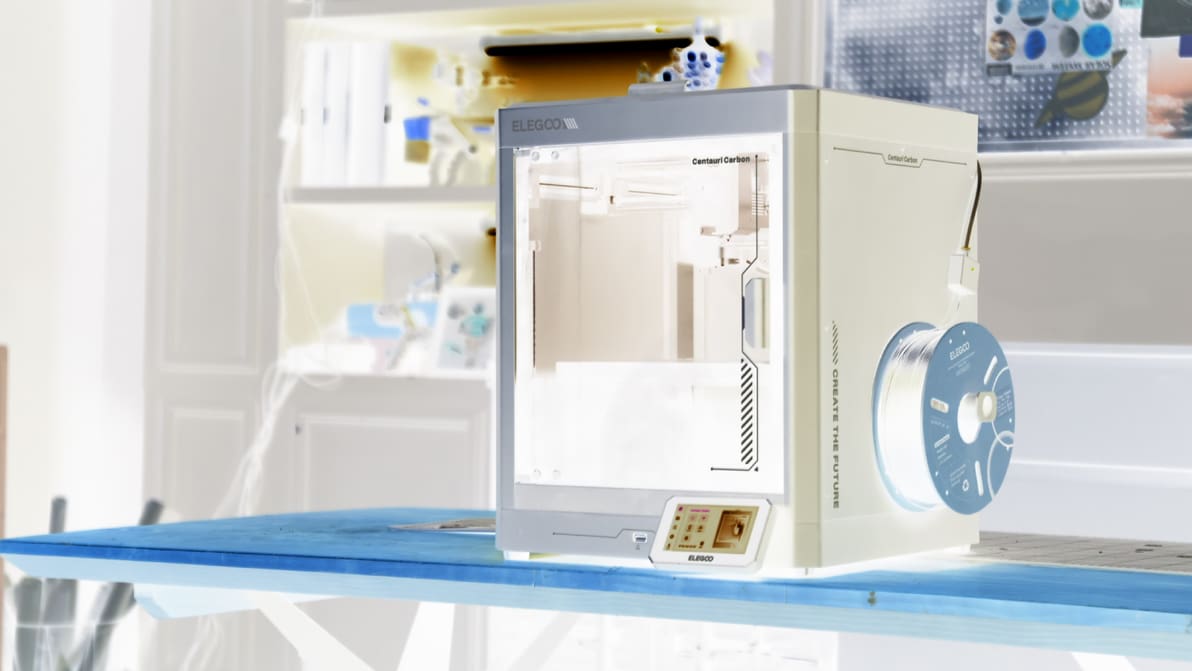
Under pressure from groups seeking transparency about the Centauri Carbon’s underlying software, Elegoo has published the “source code” for the Elegoo OS the printer uses. The release is a positive step, but appears to validate concerns that the firmware is a heavily modified version of Klipper that breaches license conditions.

With a build volume 220% larger than the classic X1C, the H2S is also compatible with a laser module like the H2D, aiming to be a full "Personal Manufacturing Hub" on your desktop.
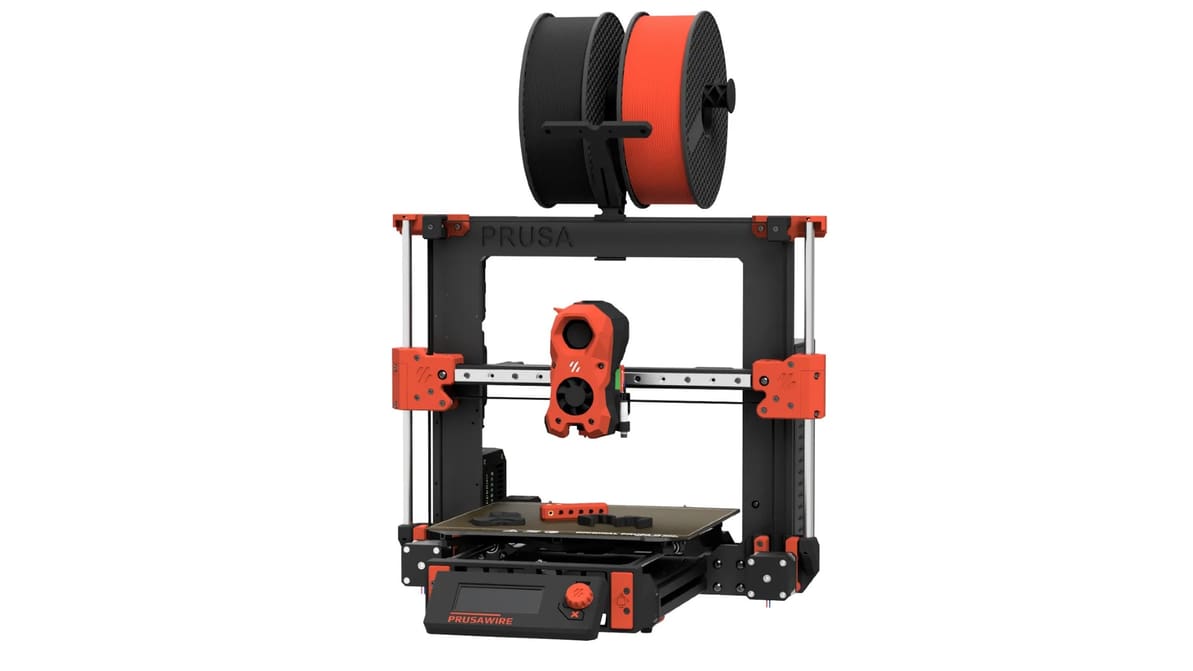
Spare bits and pieces remaining from a Prusa MK4S to Core One upgrade? You probably have all you need for an unofficial Voron Switchwire.