3D Printing in Medicine
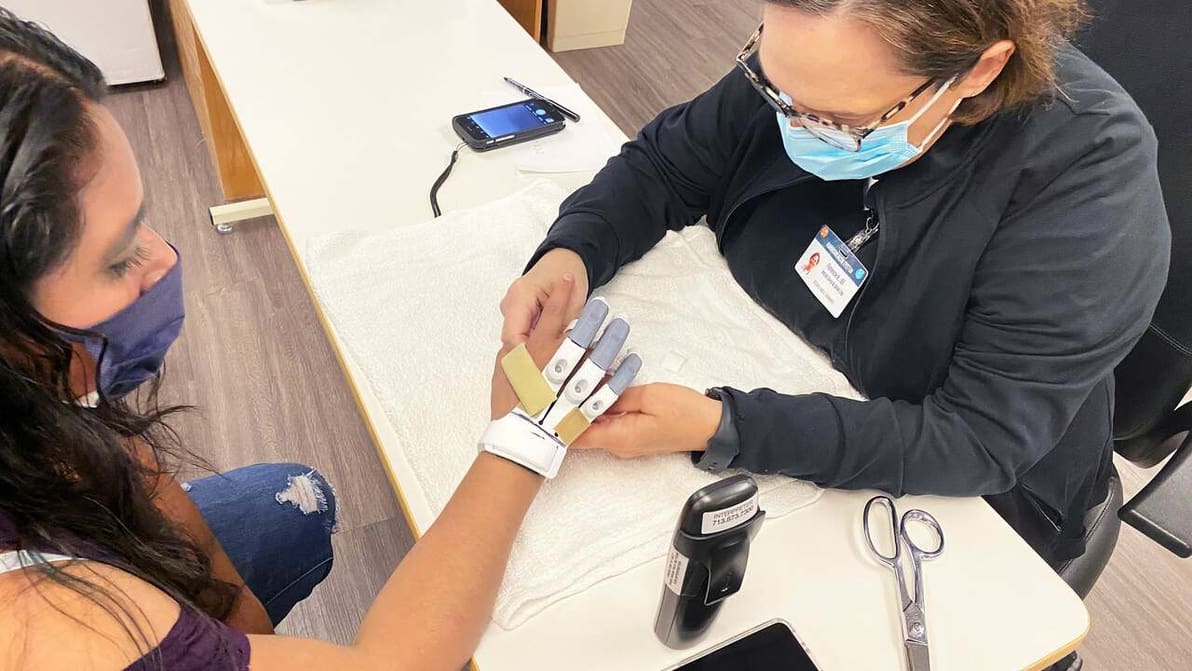
3D printing creates possibilities for more accessible prostheses. Check out these noteworthy 3D printed prosthetic limb projects.
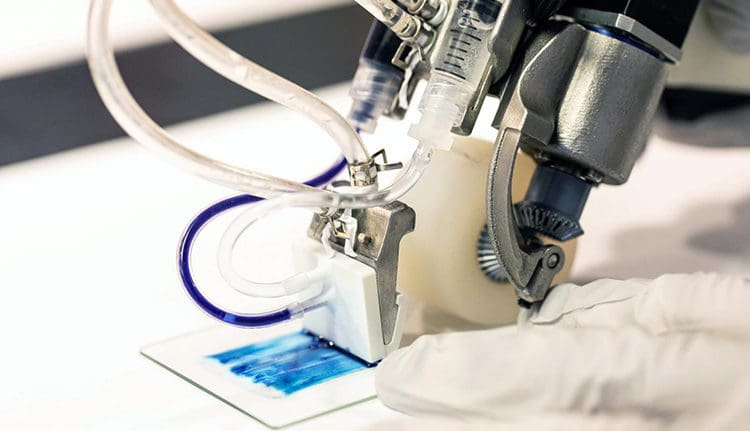
This handheld 3D printer deposits layers of skin tissue, and could one day help to heal deep wounds. Instead of waiting for skin patches to grow in a Petri dish, you apply it directly.
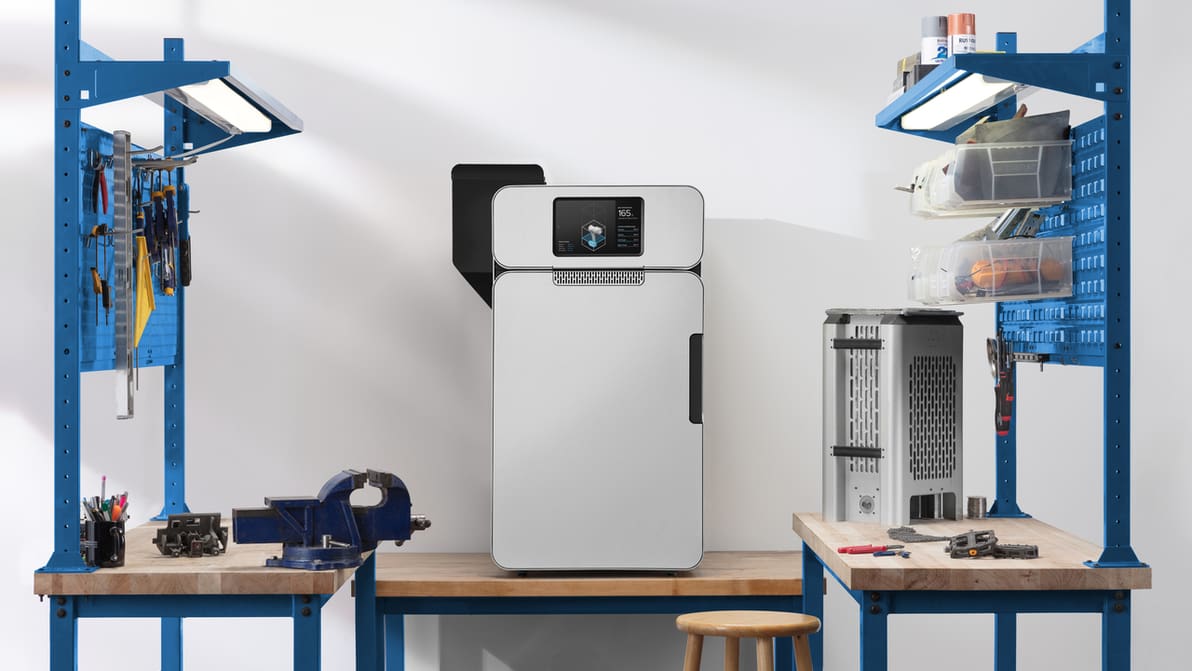
Similar to the way the World Wide Web democratized news, education, and entertainment, 3D printing has the potential to democratize the manufacturing of certain goods.

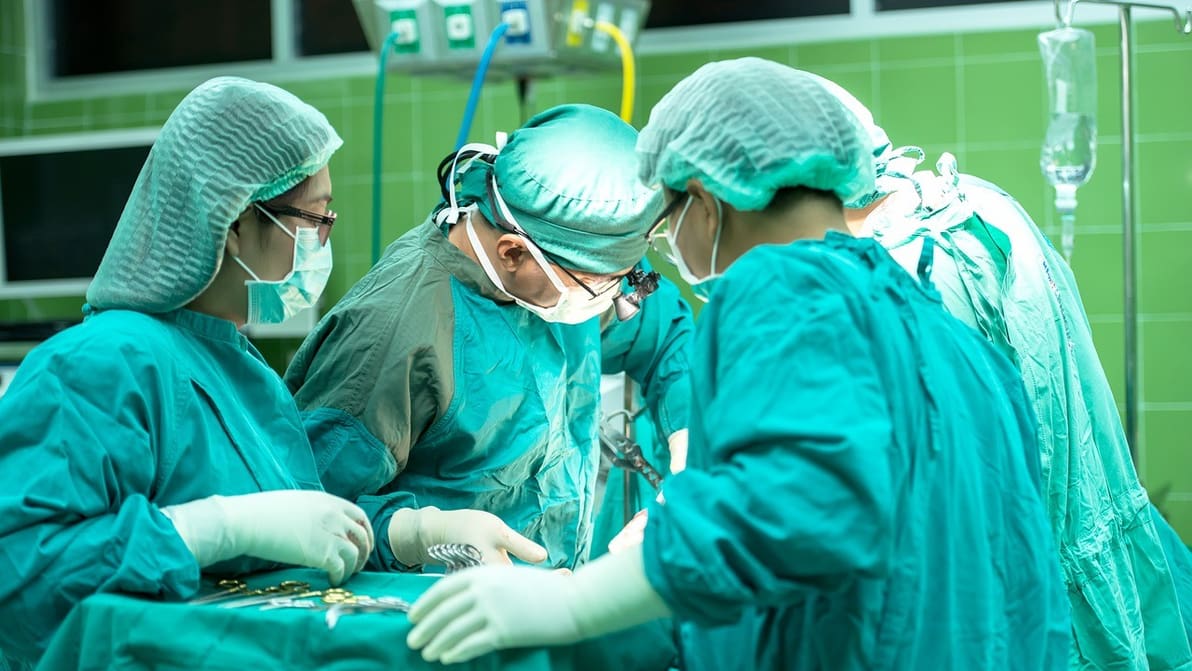
To plan a liver transplant between mother and son, surgeons from Salt Lake City, Utah used 3D imaging to 3D print the models of both livers to make surgery easier.

Twins conjoined at the head have been successfully separated after months of planning and hours of surgery. Surgeons used 3D scanning and printing to ensure the surgery was a success.
Researchers from the Queensland University of Technology propose 3D printing tissue-engineered constructs as a graft to assist in nipple reconstruction for women who've undergone a mastectomy.
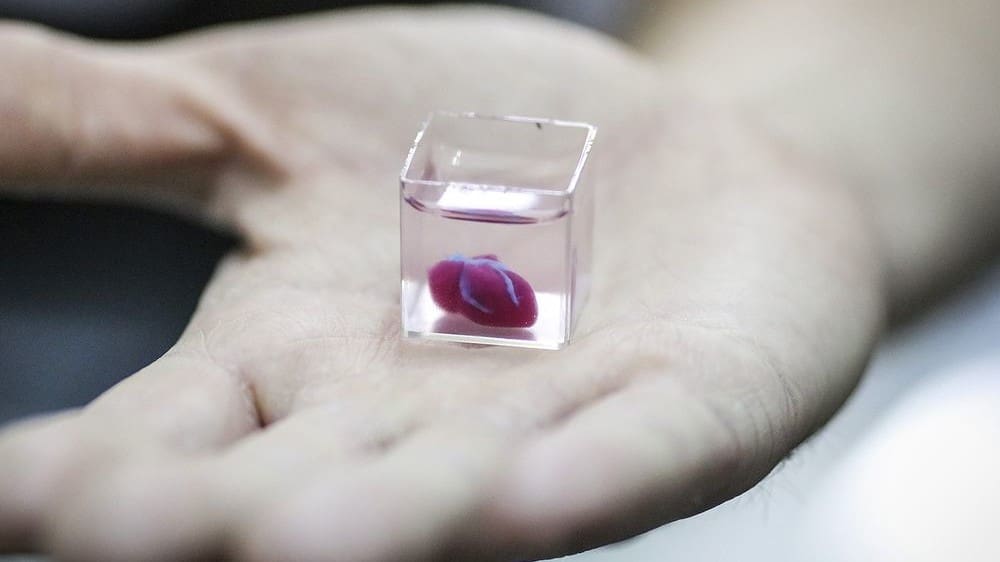
Researchers from Tel Aviv University used a patient's cells to 3D print a heart with blood vessels, ventricles and chambers that is the size of a rabbit's heart.
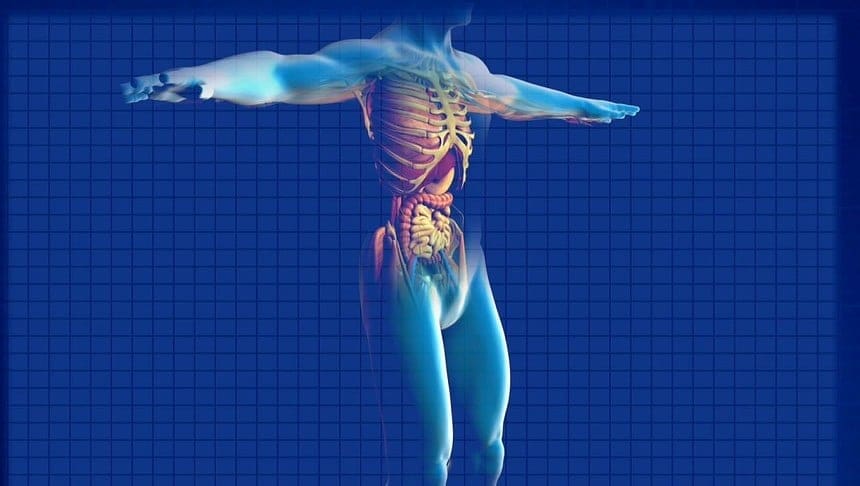
Researchers at the Foundation for Research and Science Development in Poland have 3D printed the first ever bionic pancreas with blood vessels which could one day be used to treat diabetes.
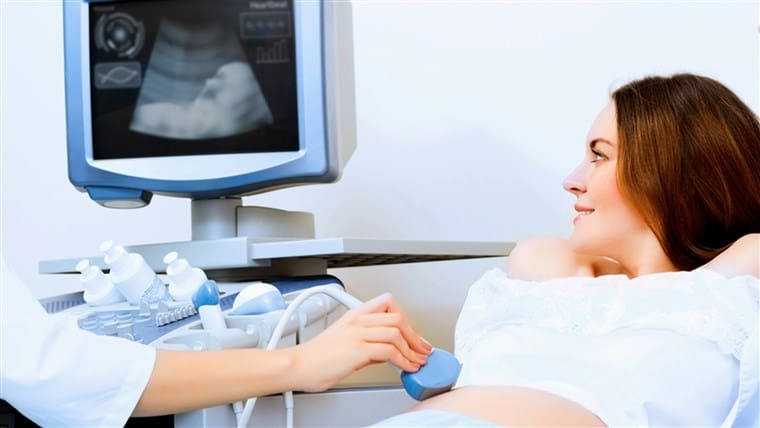
A team of researchers at King's College London and Guy's and St Thomas's NHS Foundation Trust developed an approach to improve the care of babies with congenital heart disease by creating a 3D model of their hearts while inside the womb.
In what is believed to be a world first, researchers from the Istituto Ortopedico in Rizzoli, Bologna, 3D bioprinted a human cell-laden collagen meniscus (aka the cartilage that cushions your thighbone and shinbone).
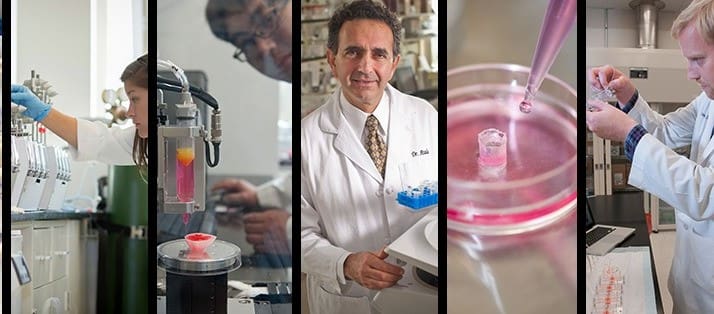
Scientists from Wake Forest School of Medicine, North Carolina, created what's believed to be the first mobile skin bioprinting system which can print directly onto a wound.
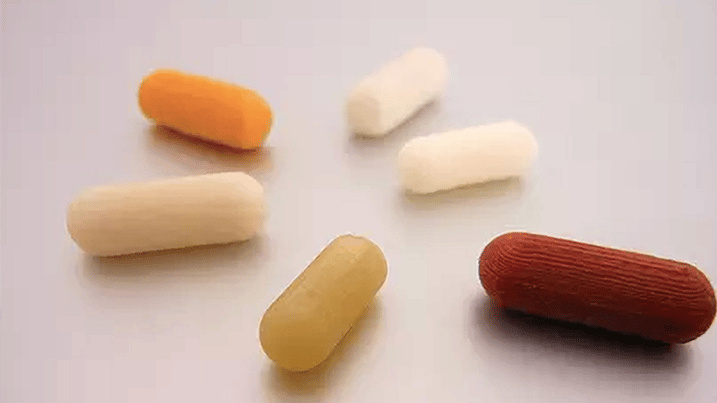
UK based bioprinting company Remedy Health is working with FabRx, the pharma-tech experts, to develop personalized 3D printed medicine thanks to grant funding from Innovate UK.
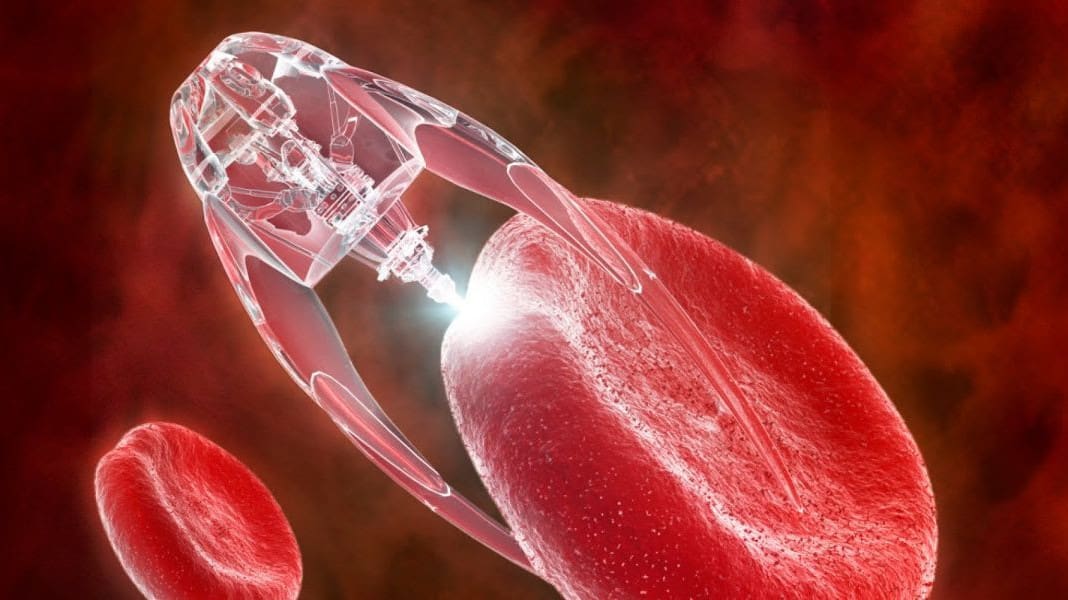
Aether, the startup offering AI-enhanced 3D bioprinting, is developing a new approach to 3D printing nanotechnology by collaborating with University College London (UCL) and Loughborough University researchers.
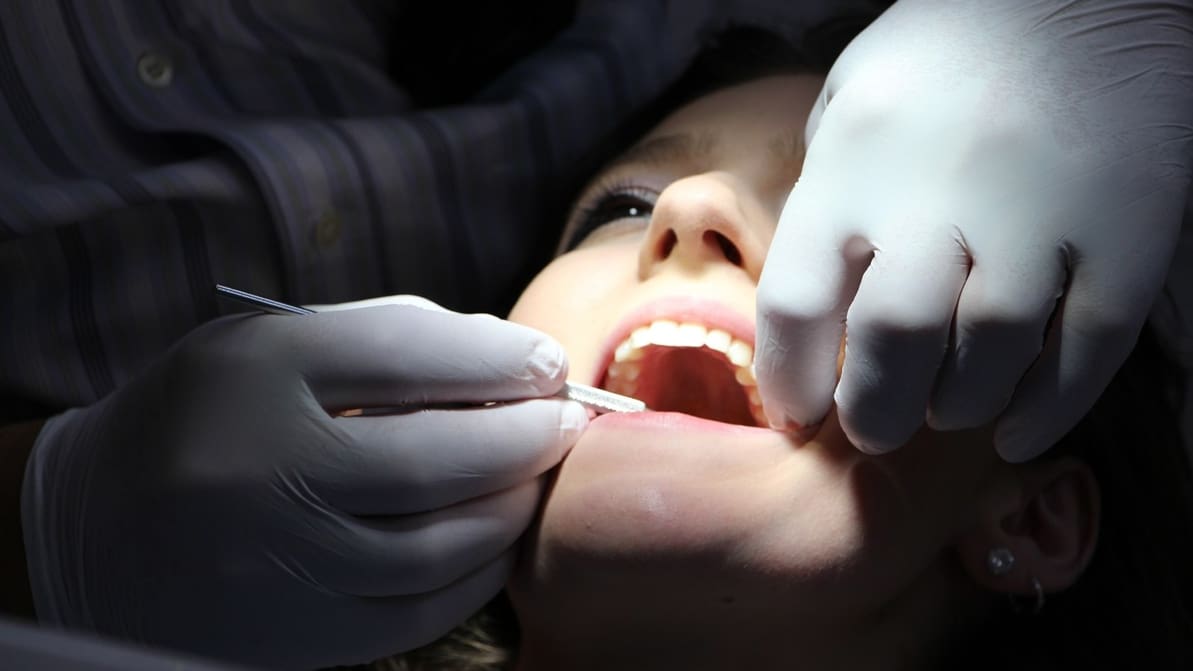
Carbon, a Silicon Valley 3D printing startup, is collaborating with Dentsply Sirona, a professional dental products and technologies manufacturer, to bring a premium 3D-printed denture material system to market.

Startup Techshot partnered with NASA to try and develop a bioprinter that will one day 3D print organs at the International Space Station.
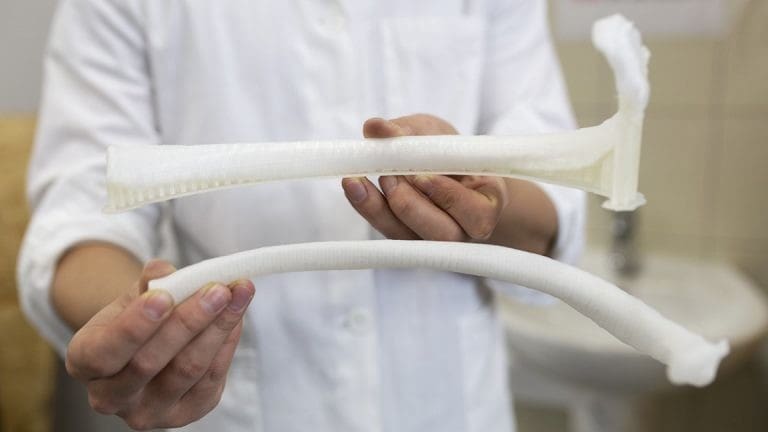
Doctors in Bulgaria created a 3D printed rib for a patient who's own rib had to be removed due to a congenital disease. This use of additive manufacturing is a first, but not the last, for the country.
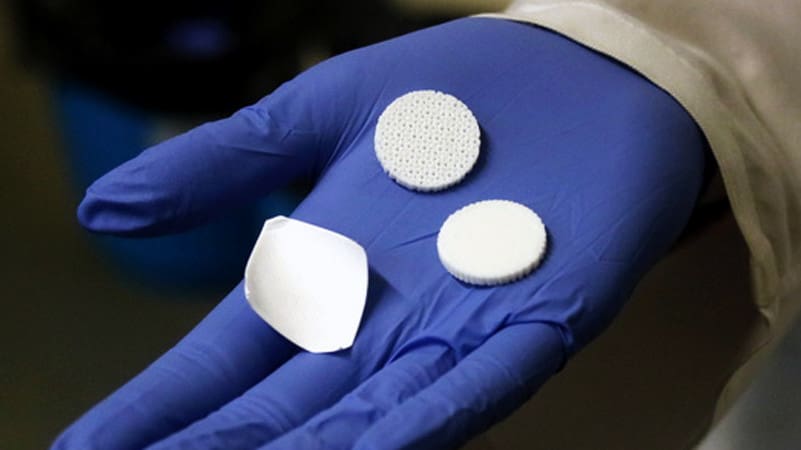
Scientists at the University of Girona in Spain have reached an important milestone in triple-negative breast cancer research by successfully using 3D printing to isolate aggressive breast cancer stem cells.
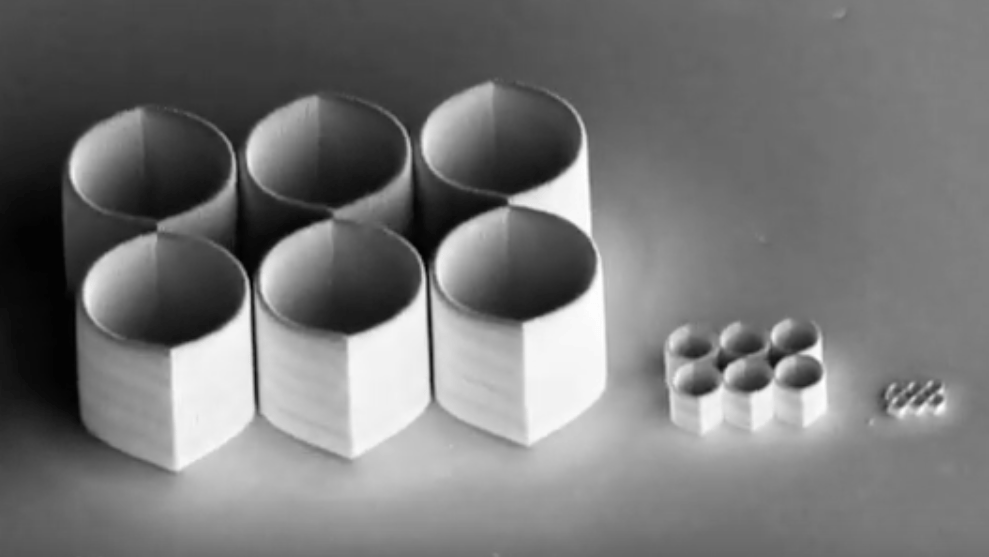
A Japanese mathematical scientist at Meiji University used Cytosurge's FluidFM 3D printing technology to create "Impossible Objects", which trick the mind, as small as the size of a red blood cell.
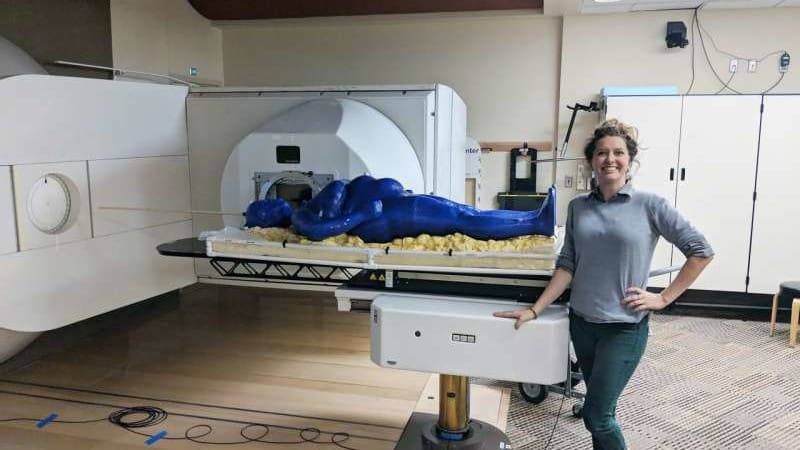
A senior at Louisiana State University (LSU) studying Biological and Agricultural Engineering has used a 3D printer to aid her research by printing a life-size human body for radiation therapy.
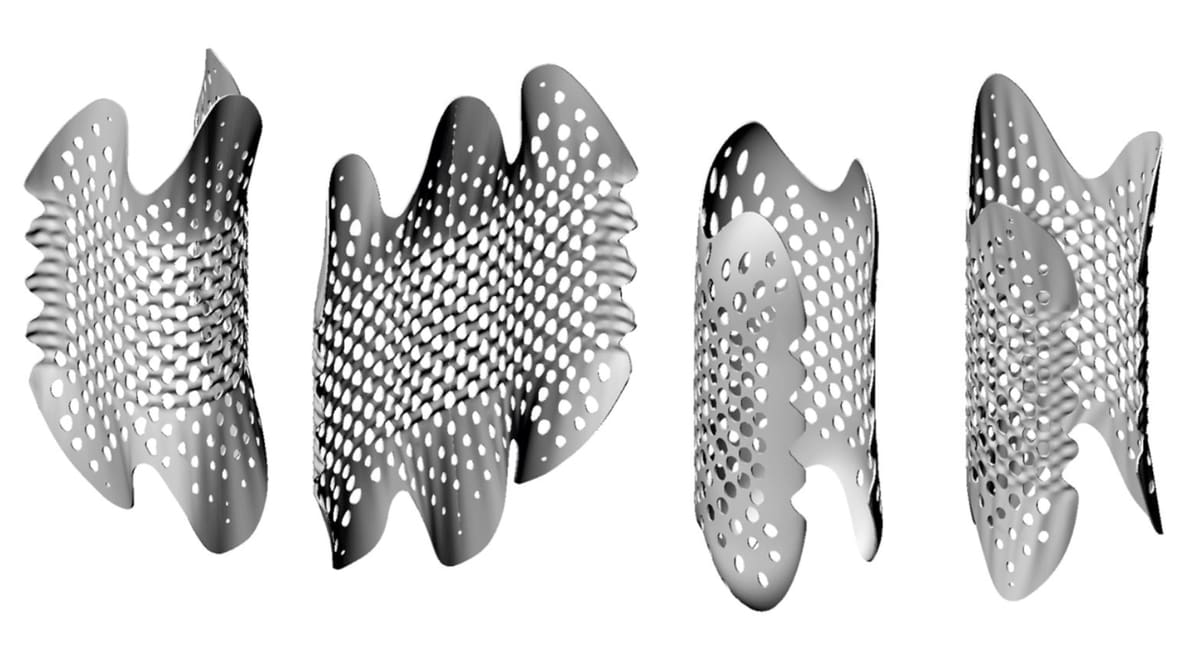
Two architects from studio Tonkin Liu have developed a 3D printed stent prototype that can adapt to a patient's throat after they've undergone tracheal transplant surgery.