3D Printing in Medicine
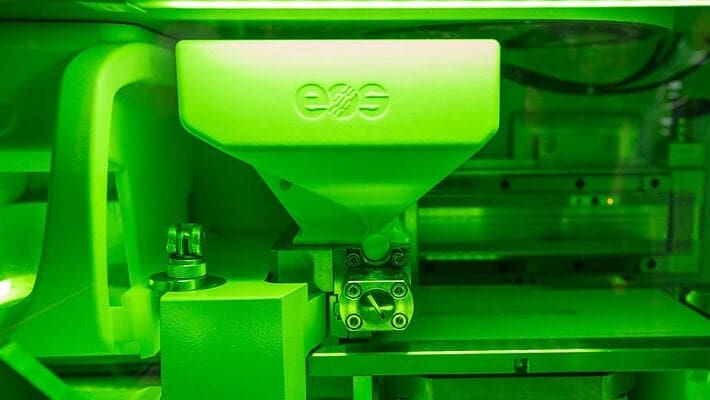
The University of Miami's College of Engineering cuts the ribbon on the new 5,850-square-foot Johnson & Johnson 3D Printing Center.
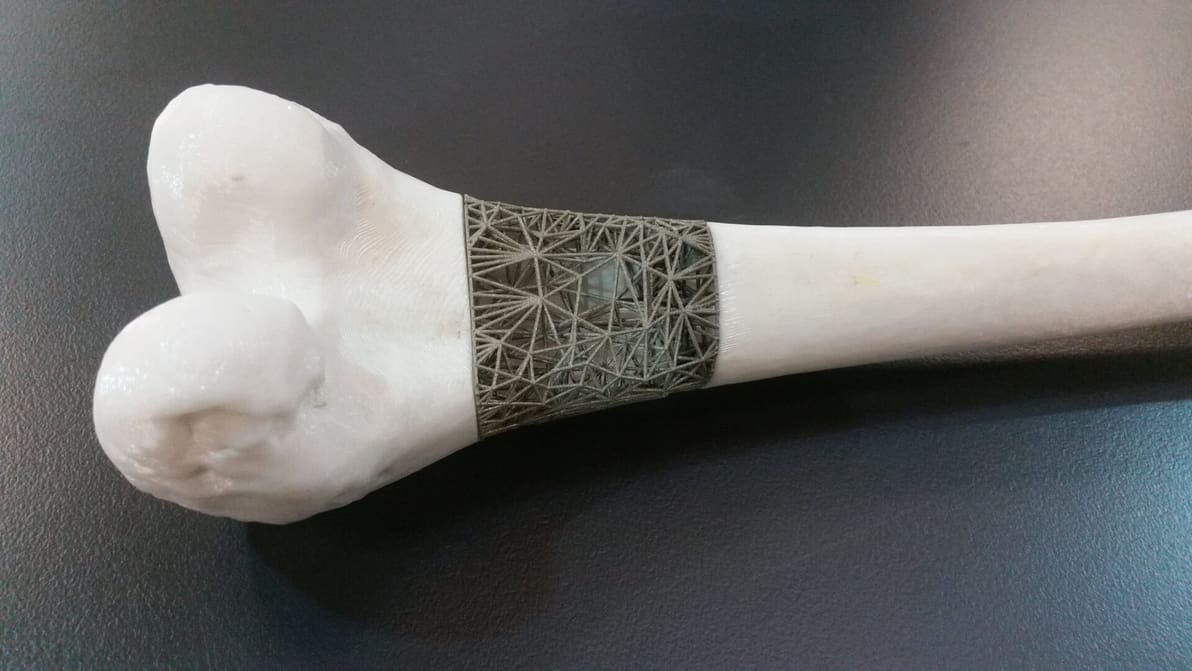
Surgeons in Australia are researching the use of 3D printing and robotics. They hope to make bone implants mid-surgery to help treat cancer.
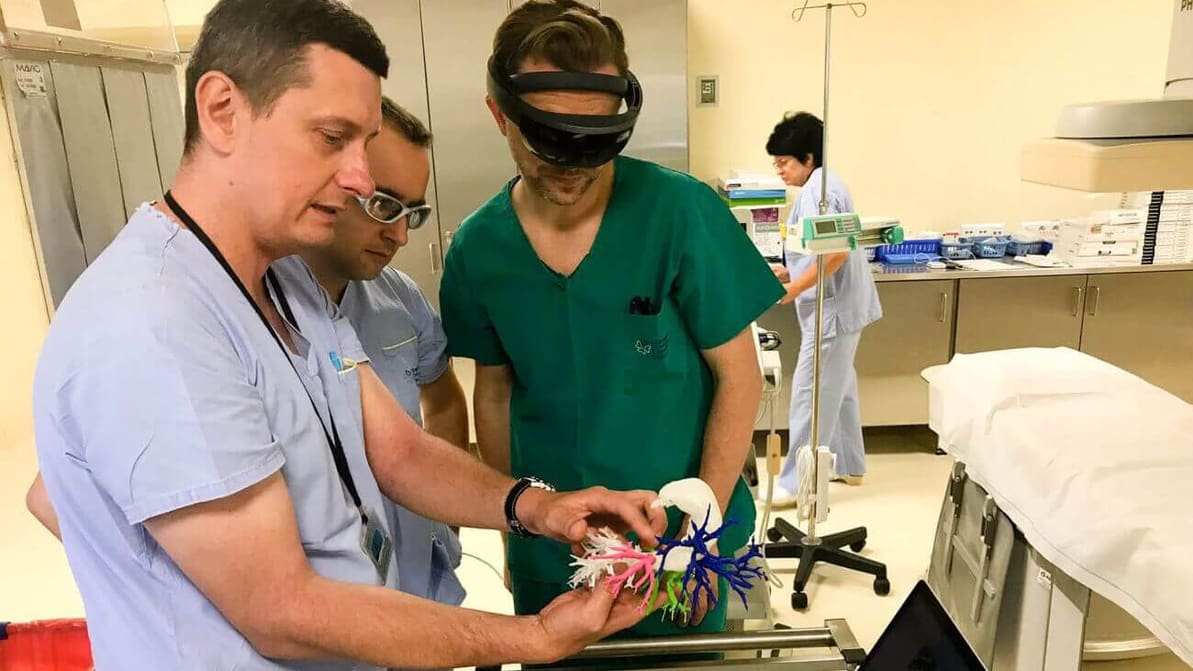
A research team from Jagiellonian University are using a desktop 3D printer to create silicone liver models to improve preoperative planning.
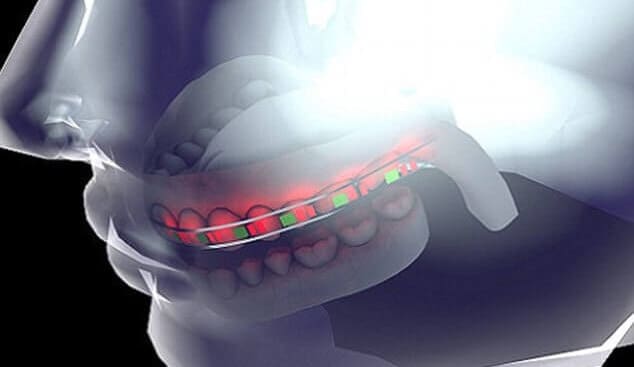
Researchers from Saudi Arabia are hoping to speed up how long it takes to straighten teeth by developing 3D printed braces with LED lights and batteries.
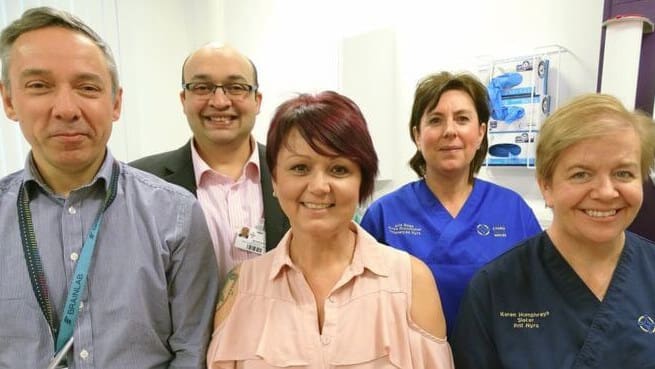
Surgeons from Morriston Hospital use 3D printing to create a customized titanium implant for a woman with a jaw tumor.
International Stem Cell Corporation are using a new 3D bioprinting method to produce 3D liver tissue and help treat liver diseases.

Yona Care is offering a new speculum design, developed using 3D printing, which hopes to make gynecologist trips more enjoyable.
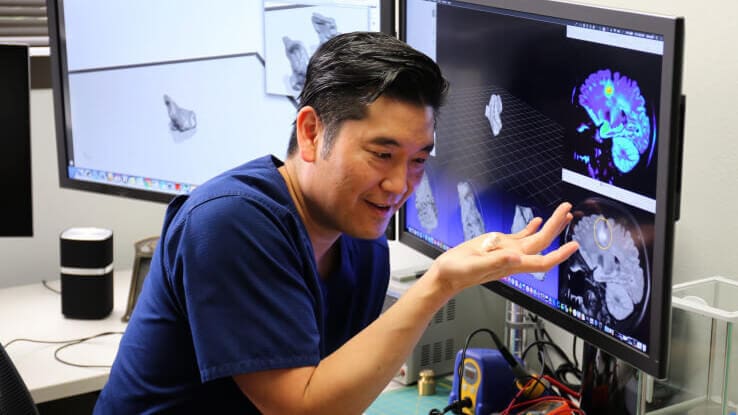
3D printing brain scans could help doctors diagnose and treat brain tumors and has already changed what we know about MS lesions.
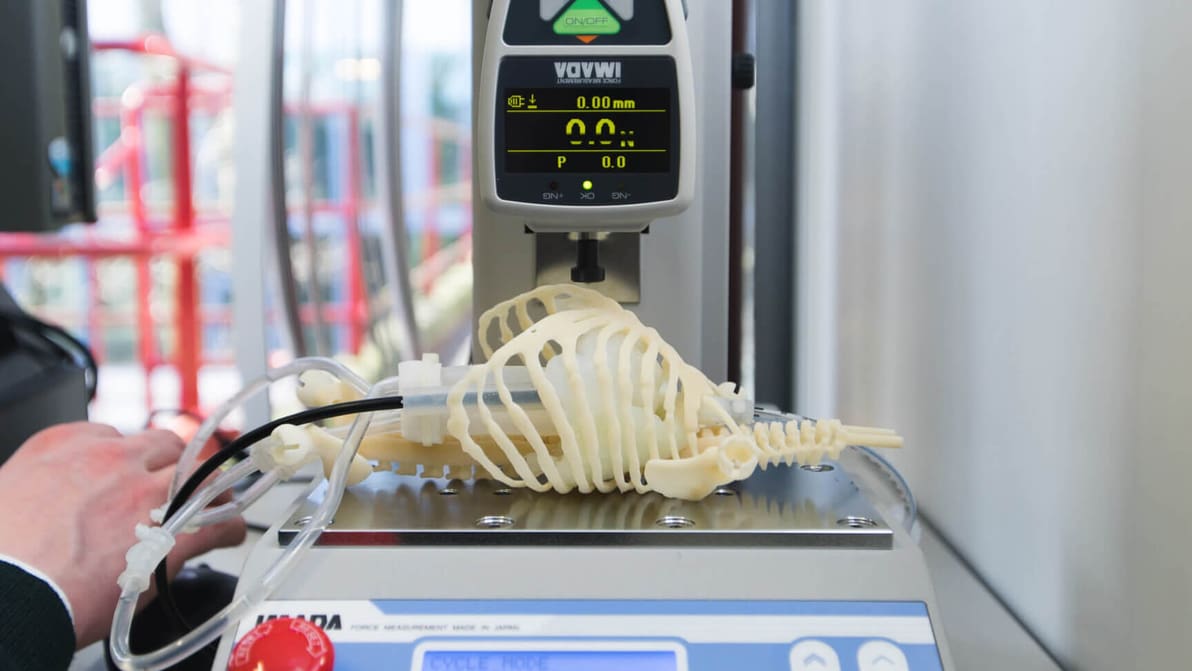
Patient-specific neonatal manikins, created using 3D printing and 3D printed molds, help surgeons practice before heading into surgery.
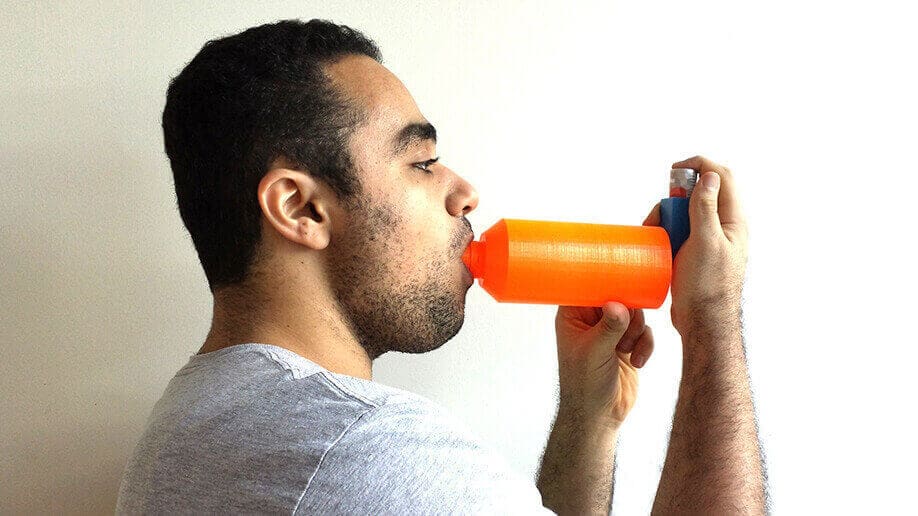
Med3DP is an initiative in association with Trinity College Dublin which uses 3D printing to develop on-demand medical devices
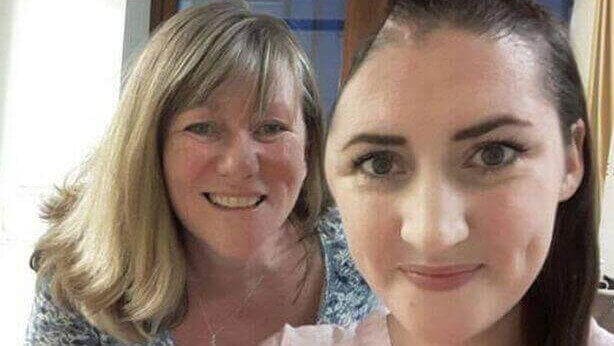
Model and artist from Essex suffered from a seizure last year resulting in severe head injuries and the need for a titanium 3D printed plate.
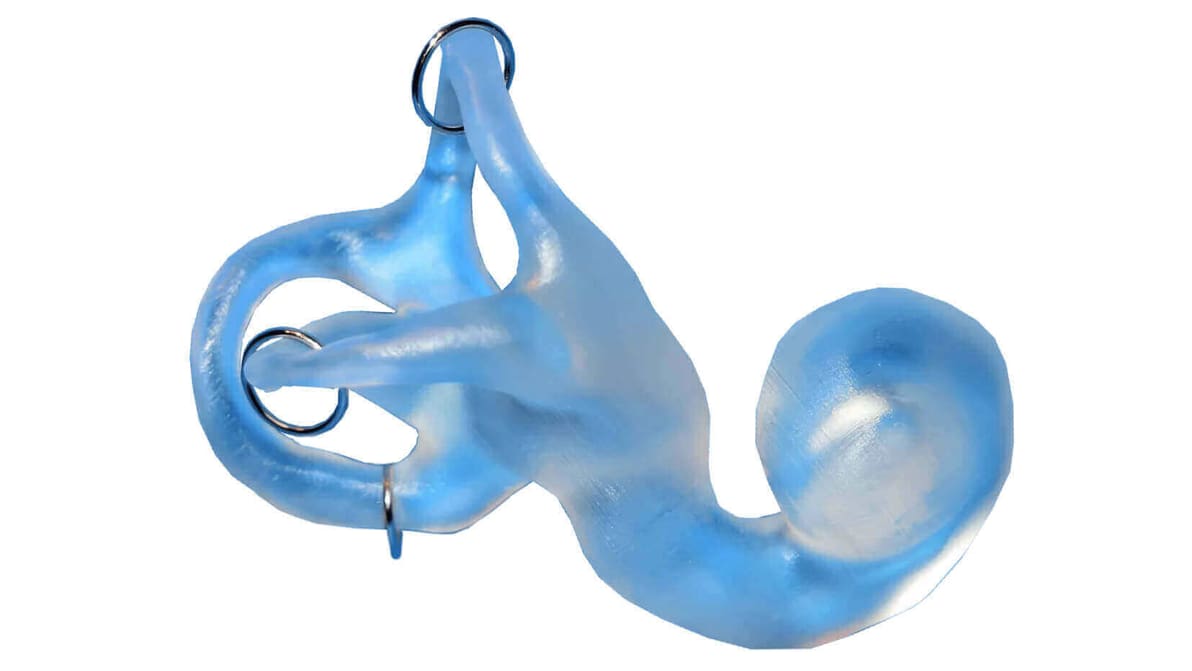
Two companies, Vestibular Today and 3D Brooklyn, have collaborated on a 3D printed inner ear to help vertigo sufferers.

An Australian man is the world first to receive a 3D printed shinbone after developing a bone infection days after his son was born.
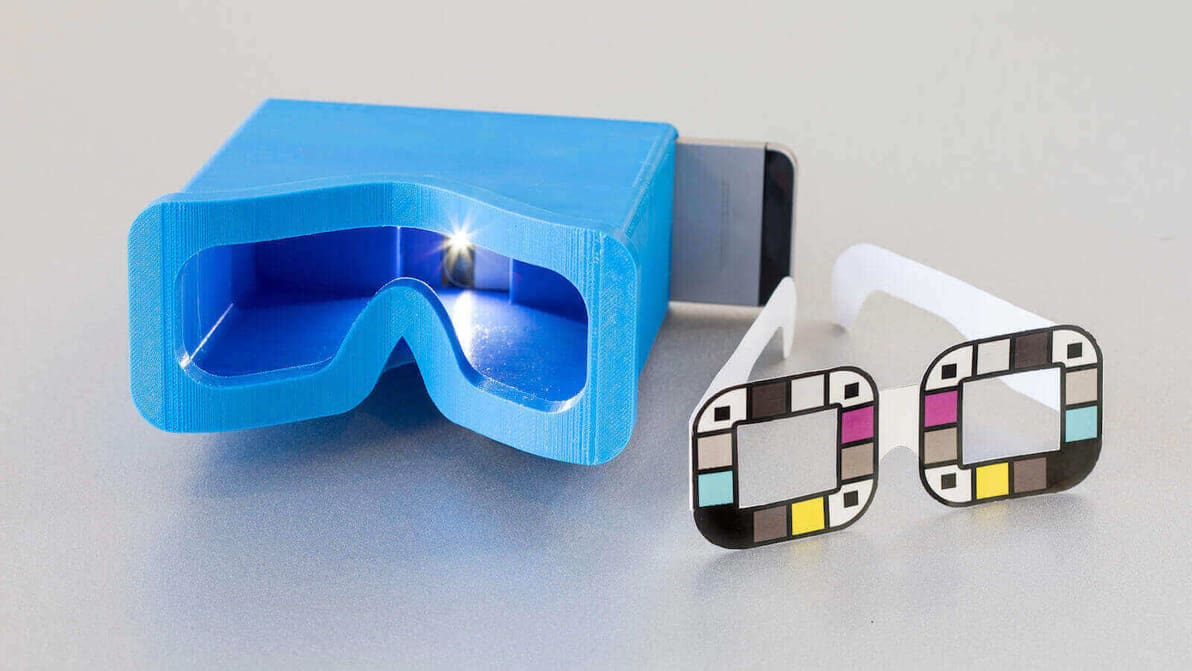
BiliScreen is an app and 3D printed device that takes pictures of the eye to measure jaundice and help early detection of pancreatic cancer.
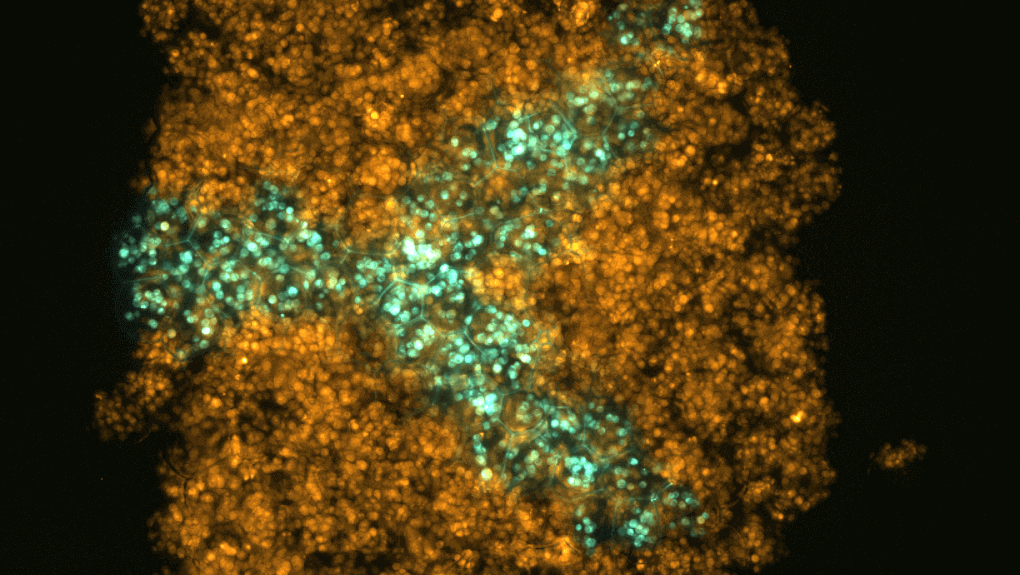
A team of scientists from the University of Oxford showed how it's possible to 3D print living mammalian cells into living tissue constructs.
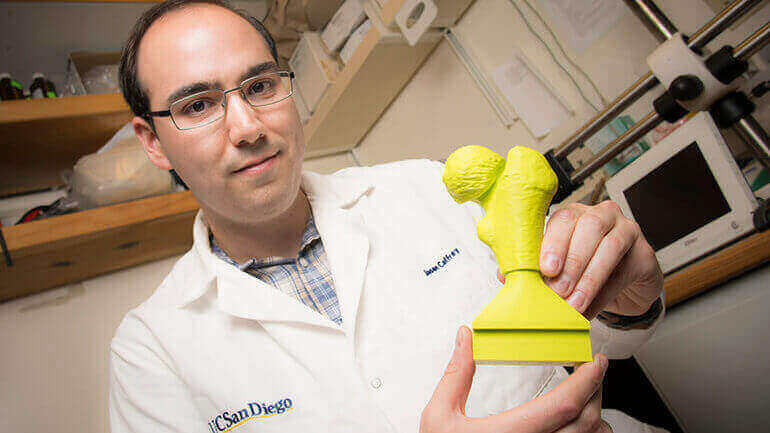
A team of surgeons and engineers in the US have used 3D printed femurs for surgery preparation in real world conditions.

In her spare time, enterprising 16-year-old Kavya Kopparupu has made a cheap and effective 3D printed system to diagnose diabetic retinopathy.
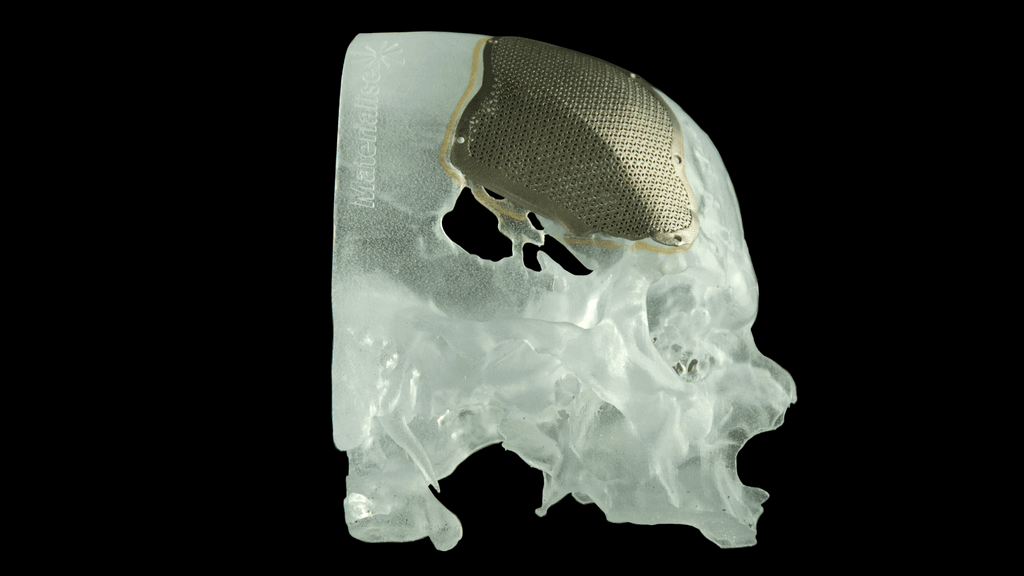
3D printing brings major improvements to facial reconstructive surgery, helping to better recreate a patient's face after serious trauma.
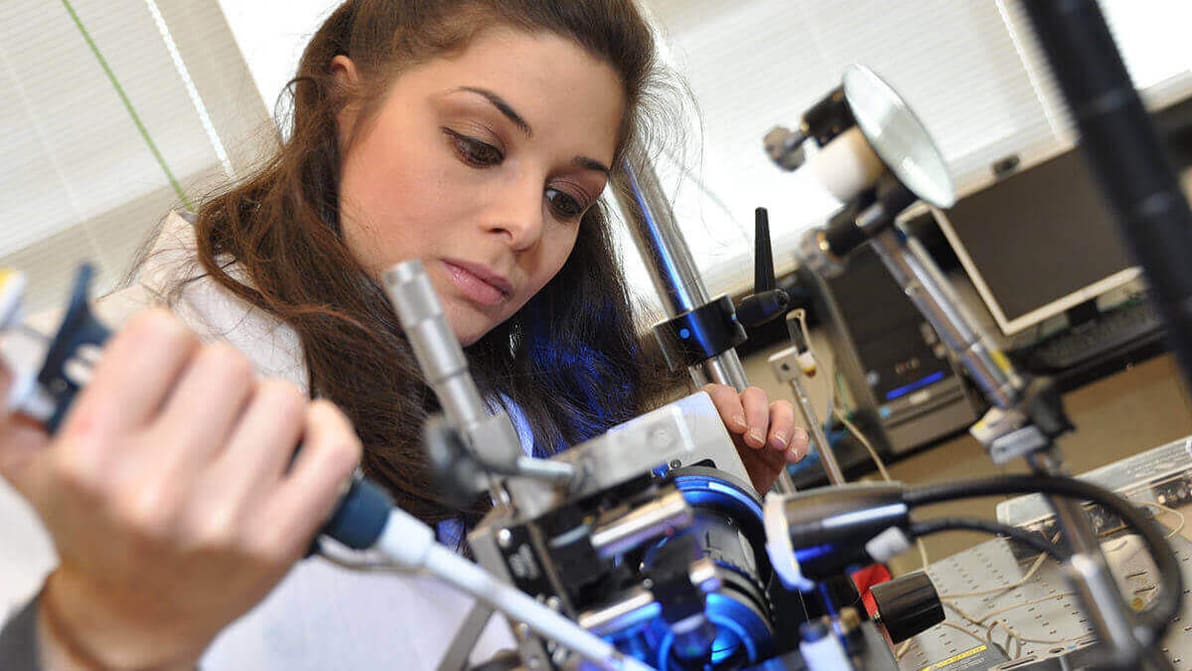
Researchers at UBC Okanagan’s school of engineering are developing 3D printed water quality sensors to ensure what we're drinking is safe.
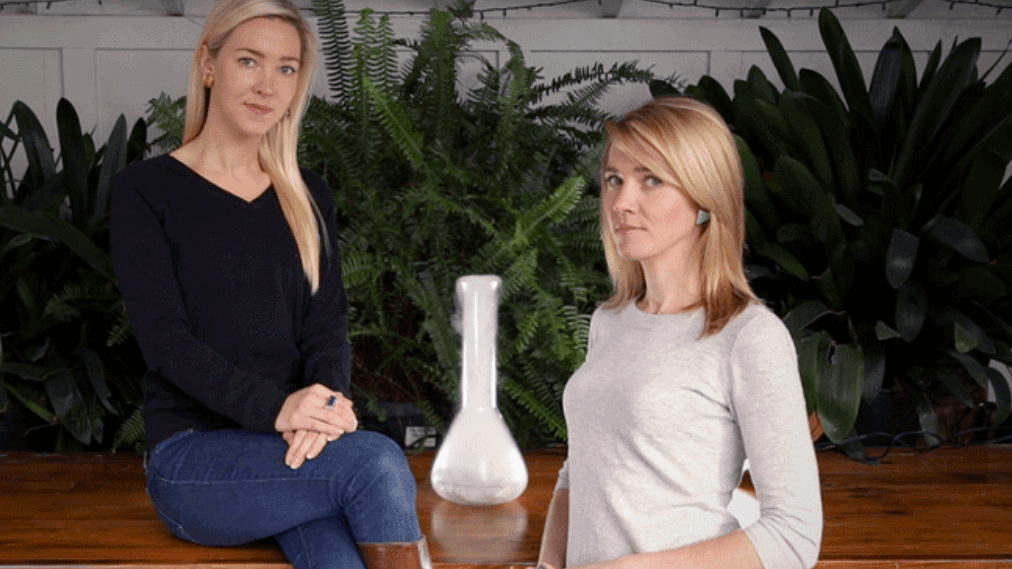
Potent Rope is an edible cannabis filament which can be made using a regular desktop 3D printer, but beware of contamination before munching.